
The global electronic nicotine delivery systems (ENDS) market is undergoing a structural paradigm shift. Historically driven by puff counts and flavor diversity, the industry has now entered an era dominated by regulatory verification, consumer safety engineering, and public health compliance. As international regulatory bodies such as the US FDA (via PMTA pathways), the EU's TPD (Tobacco Products Directive), and MHRA implement stringent guidelines on hardware materials and electrical safety, exporters and global distributors must focus on structural integrity and protection features to mitigate risk.
Today, a "Vape with Safety Features" is no longer a niche value proposition but an absolute market requirement. With the rapid growth of high-capacity disposable vapes ranging from 20,000 to 100,000 puffs, thermal runaway management, stable battery discharge cycles, and child-resistant closures (CRC) are critical. Forward-thinking manufacturers are actively incorporating microcontrollers that govern draw limitations, cut-off systems, and short-circuit protections directly onto the PCB, rendering traditional, unregulated vaping systems obsolete.
Integration of intelligent NTC (Negative Temperature Coefficient) thermistors that monitor core battery temperature in real-time, preventing overheating during consecutive usage sessions.
Compliance with global child protection guidelines via mechanical locking mechanisms, button combinations, or digital biosensors that restrict unauthorized access by minors.
Dedicated microprocessors monitor voltage dropoff, halting operations when levels fall below 3.2V, protecting lithium-ion cell chemistry from permanent capacity degradation.
For B2B wholesalers, bulk importers, and brand owners in Europe, North America, and Australia, sourcing electronic vaporizers is an exercise in rigorous risk mitigation. An unregulated, unstable shipment of vapes can expose distributors to immense legal liability, custom seizures, and brand reputation damage. Consequently, corporate procurement models have pivoted from choosing the lowest price point to verifying the supplier's engineering certifications and safety standards.
Modern procurement directors require full manufacturing transparency. Product blueprints, battery material source documentation, and heavy metal testing reports of atomization coils are now standard requirements during the vetting phase. Sourcing safe vape hardware involves verifying compliance with certificates such as CE, RoHS, FCC, CB, and UL 8139 (the standard for electrical systems of electronic cigarettes). In highly regulated regions, distributors seek custom firmware configurations, including automated cutoff timers and pressure sensor limits, to satisfy consumer safety laws.
Dongguan, the global epicenter of vape manufacturing, produces approximately 90% of the world's electronic cigarettes. However, the modern standard of manufacturing is no longer based on low-tech labor lines. The transition to Factory 4.0 has revolutionized production with automation, cleanrooms, and computerized testing setups.
At the center of this technological revolution is Dongguan VEXEL Vape Co., Ltd. established in 2021. Operating out of a state-of-the-art facility spanning over 2,000 square meters in Dongguan, our operation integrates advanced engineering with optimized production workflows. Utilizing high-throughput automation and specialized testing equipment, our manufacturing lines achieve high-precision assembly, ensuring consistent quality for every unit produced.
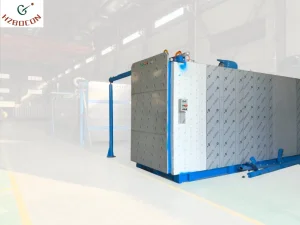
By investing in automated manufacturing and smart supply-chain analytics, China's Vape Factory 4.0 model ensures raw material traceability, minimizing assembly defects. Advanced quality control structures, including high-altitude low-pressure simulation chambers, vibrational tests, and continuous draw testing machines, ensure that every device leaving the production floor can withstand rigorous shipping conditions and daily usage.
With an engineering team dedicated to atomization chemistry and thermodynamics, VEXEL Vape ensures that heating elements (such as advanced dual-mesh coils) distribute heat evenly. This prevents uneven burning and volatile compound emissions, aligning with our strict product safety standards.
Regulatory frameworks vary significantly between different jurisdictions. Success for global exporters requires adapting device designs to match the legal frameworks of target markets. These localized applications demand custom hardware modifications at the factory level:
Europe enforces a strict 2ml e-liquid capacity cap, a maximum of 20mg/ml nicotine strength, and leak-free refilling mechanisms. VEXEL Vape configures customized structural partitions and high-density cotton locks to guarantee 100% compliance with emission tests.
US distribution centers prioritize hardware and chemical component consistency. B2B buyers require detailed component analyses, battery safety reports, and material safety data sheets (MSDS) to secure shelf space in national distribution networks.
Regions like Saudi Arabia and the UAE enforce ESMA standards, requiring child-proof packaging, strict product labeling, and specific voltage regulators. Dynamic safety profiles ensure battery stability in high ambient temperatures.
Headquartered in Dongguan City, Guangdong Province, China, Dongguan VEXEL Vape Co., Ltd. has grown to become a reliable B2B OEM/ODM manufacturer in the industry. Led by a team of over 500 professionals, VEXEL operates a production facility designed to meet the growing demands of our global partners. We deliver comprehensive, one-stop solutions that span research and development, manufacturing, and global logistics.
Our corporate direction is defined by a commitment to quality and technical advancement:
Our corporate culture—built on the pillars of Dream, Happy, and Love—fosters a collaborative work environment. This positive environment fuels the creativity and quality focus that goes into every batch of devices we ship.
Our commitment to quality extends from design and material sourcing to customer support. As global regulations tighten, we continue to adapt our engineering to ensure our products exceed international safety standards.


 VEXEL Vape